
Retail Media's New Revenue Mandate: Why We Need to Care About Data Velocity.
Written by Ana Laura Zain.
By Ana Laura Zain, CMO at MetaRouter and Co-Founder of the Women in Commerce Media
Two months into my new role as CMO at MetaRouter and I’m loving it. It’s a big shift, and the team is exceptional. But at first glance, MetaRouter isn’t easy to get your head around.
Last month, I flew to London to finally sit in a room with our EMEA team. At one point, we all stopped to take a photo together. So we decided to recreate the look we see on new prospects’ faces when we first explain what MetaRouter actually does.
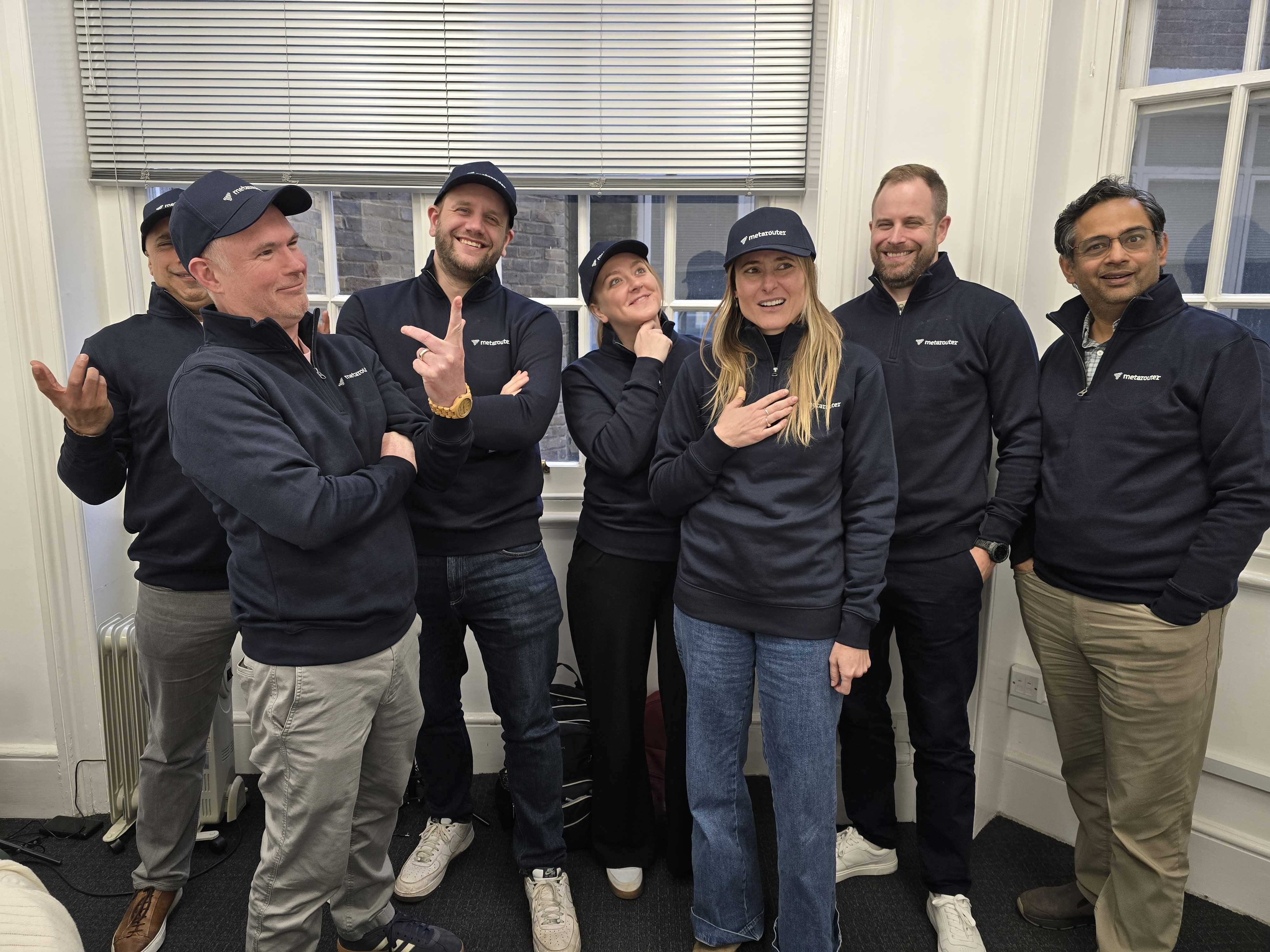
I'll be the first to admit: MetaRouter's technology took some time to fully appreciate. But that's exactly the point, the deeper I've gone, the more I've realized how much it can do. It's the kind of platform where complexity is a feature, not a bug.
I’ve spent 15 years in Ad Tech and Retail Media. I know the alphabet soup: DSPs, SSPs, DMPs, ad servers, and so on. I thought I understood the plumbing of this industry.
I’d spent my whole career focused on the “last mile” of media — how we buy the ad or measure the click — while the real battle was happening much earlier in the system: the first mile.
I am a B2B marketer entering a world of containerized server-side event streams and private cloud orchestration. It sounds incredibly technical, and it is. But as I peeled back the layers, I realized this isn't just an engineering conversation but more like a revenue mandate.
Is Retail Media reaching an inflection point?
As retail media growth decelerates, the pressure increases - from 25.1% in 2024 to 15.6% in 2025, according to the IAB. These are some of the trends the industry experts are predicting:
- On-site saturation, with high-intent real estate on homepages and search results nearly maxed out, simply adding more Sponsored Product ads (SPAs) is no longer yielding the incremental returns brands have come to expect.
- RMNs are aggressively moving off-site. In 2026, using retailer first-party data to target shoppers on Connected TV (CTV) and social platforms is growing at nearly double the rate of traditional on-site ads.
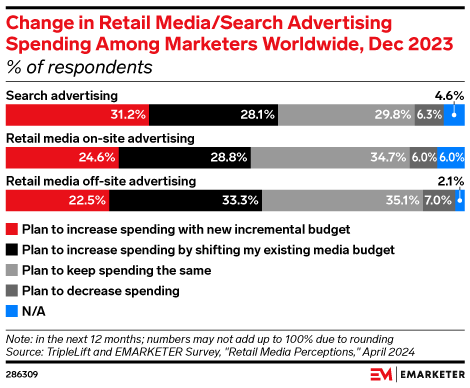
- Agentic AI Shopping: EMARKETER identifies Agentic AI as the most disruptive trend for 2026. As shoppers begin using AI agents (like Gemini or specialized retail assistants) to research and "zero-click" compare products, brands must optimize for AI Recommendation Engines.
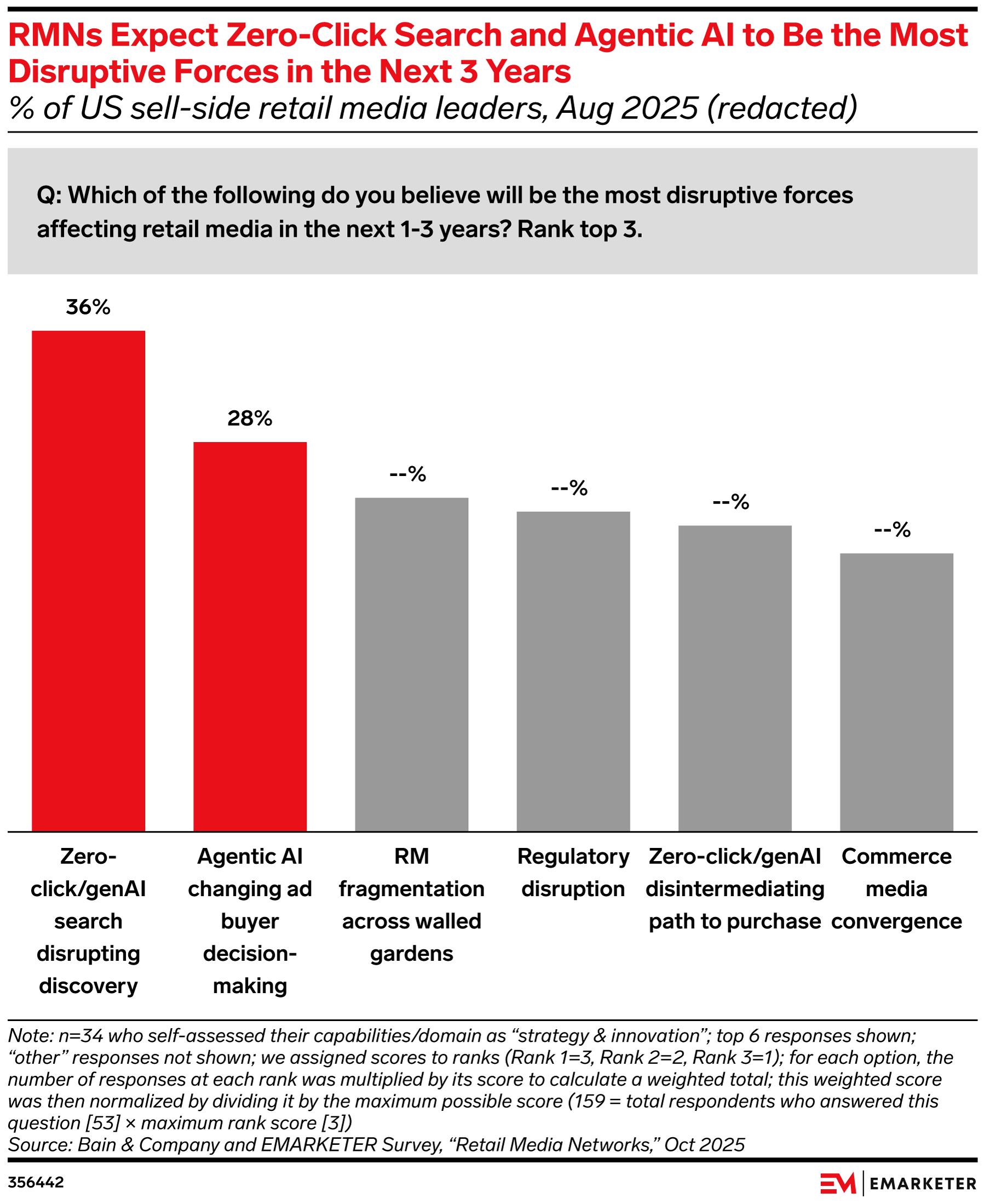
Show me the data and I'll show you the money
Slower growth + offsite expansion + AI context = The need for data velocity
By data velocity, I mean the ability to capture, process, and activate shopper intent signals in real time, at the moment they are created.
When doing my customer research for both understanding and positioning as a marketer, I was able to summarize three ways for RMN leaders to reclaim control and drive revenue:
- Capture intent at the source to fix the broken shopping experience: Most retailers rely on 3rd-party tags that scrape data after the fact, which is like a waiter trying to guess your order by looking at your empty plate. By catching the signal the millisecond it hits your site, you can act like a digital concierge, serving the perfect recommendation while the shopper is still deciding, not after they've already moved on.
- Remove the middlemen: By establishing a direct, server-to-server link, you bypass the slow, messy public web and create a high-speed connection that lets you recognize your shoppers wherever they go, all while keeping your data resident in your own ecosystem.
- Give your customers a "Digital ID" that AI can read: Build a durable, owned identity for every shopper so that the new wave of AI shopping agents can instantly recognize and recommend your products with 100% accuracy.
The AI intermediary: your data, your choice?
Andrew Lipsman recently pointed out what may become the next major threat to retail media: the potential “drainage” of the retailer data moat.
If AI intermediaries begin sitting between shoppers and retailers, they (not the retailers) gain visibility into the purchase intent.
This is why the “first mile” is a revenue mandate. Whether AI agents ultimately account for 1% or 50% of shopping interactions, I realized that retailers need to control the flow of data at the source. If you don't, you lose the ability to make a few high-stakes choices:
- Don’t show ads to bots: You shouldn't be making business decisions based on bot traffic. By qualifying the session the moment it starts, you ensure your analytics and ad spend are focused on real humans, not non-human "junk" data.
- Don’t re-target bots in paid media: Protecting your data at the source prevents you from following non-human traffic across the web, saving your budget for actual shoppers.
Re-allocate budget toward the "movable middle": By identifying intent in the first mile, you can stop burning margin on customers with very high intent (who will convert on their own) and instead amplify your budget toward those who actually need the nudge to buy.
The early adopters
Look at Costco. They did something pretty radical at NRF this year by opening up the hood and showing the world their entire RMN tech stack. As Kiri Masters pointed out, Costco is moving away from the old "black box" model in favor of a modular, transparent infrastructure.
By picking the best partners for each layer of their stack, they are building a durable data foundation that can speak fluently to the rest of the ecosystem without losing signal.
It’s a perfect example of a retailer prioritizing the "First Mile" to ensure they are ready for the off-site and AI-driven world of 2026.
If you want to learn more, check out Costco’s next LinkedIn live with Mark Williamson and Jon Flugstad, hosted by Kiri Masters.
Winning the first mile
Retail media has historically focused on the last mile, the moment an ad is served or a click is measured. But the next era of commerce will be decided much earlier.
The retailers that control the first mile of data — where intent is captured and activated in real time — will shape the next generation of retail media revenue.
Questions or thoughts? I’d love to hear them.You can reach me directly at ana@metarouter.io.